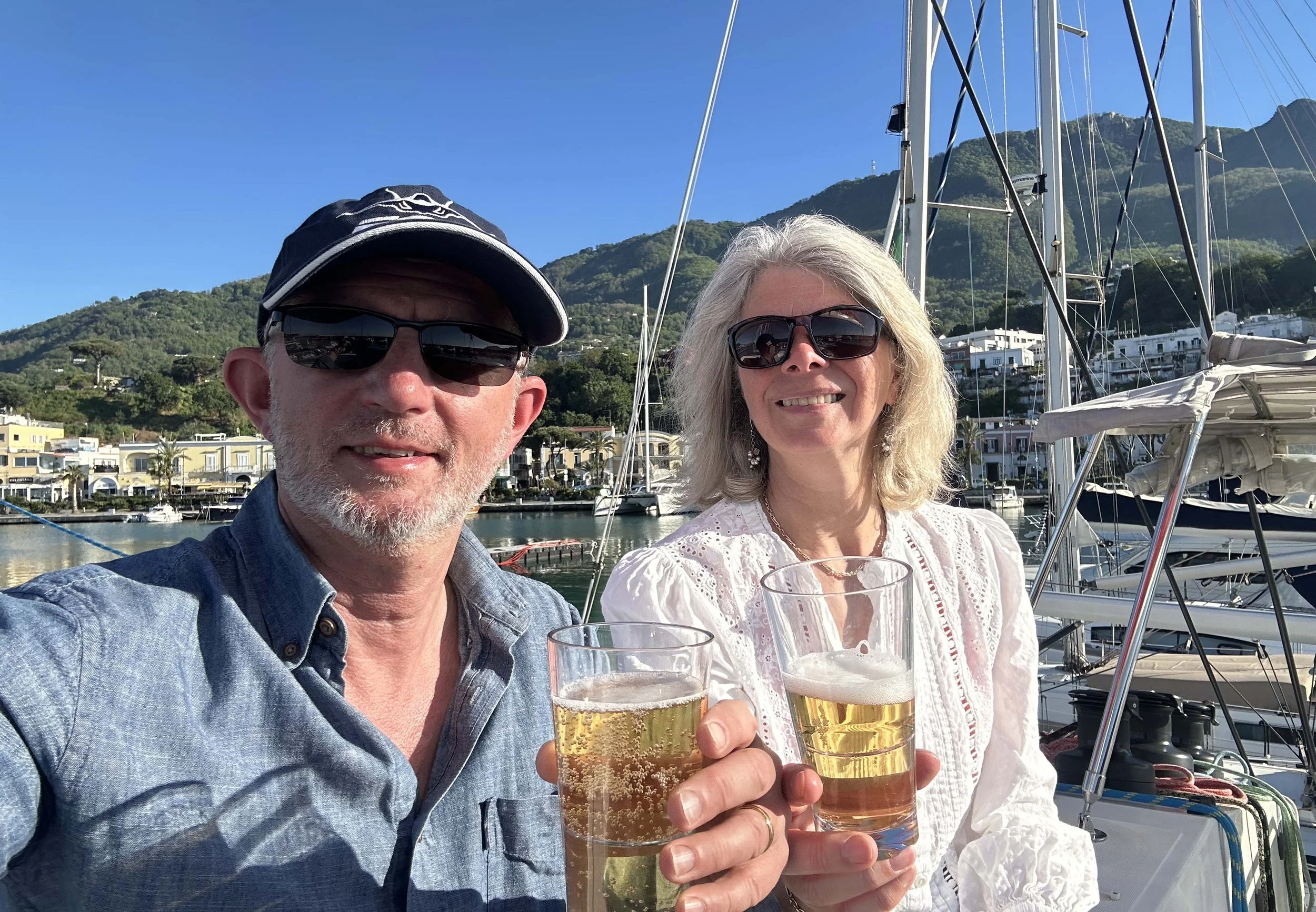
South from Rome
We departed Rome under blue skies, a lovely Force 3 westerly wind propelling us south. As it was Abbey’s first sail this season, we took it easy and hopped down the coast, firstly to Anzio, a so-so sort of place which was fine as a stopover in the calm conditions. Further round the coast is Gaeta, which had much more about it. Apart from the looming presence of the US Sixth Fleet Flagship which has a permanent berth there, the town is authentic, genuine, friendly and beautifully set around a promontory and sheltered bay. You get the sense Gaeta is far from the main routes, and all the better for it. The large oil refinery and ferry terminals which helped support the town have closed and the NATO headquarters that used to occupy the hillside has relocated to Naples, so Gaeta is struggling a little to find a new purpose alongside the well-established fishing fleet. But for now it provides a glimpse into traditional Italian life, people going about their daily business with lively cafes and restaurants offering excellent local dishes at local prices. We whiled away two calm nights here, the only yacht in the bay.
USS Mount Whitney, US 6th Fleet Flagship, in Gaeta
Coasting into Gaeta, asymmetric flying!
Traditional Gaetean crafts
A successful bag purchase
Frontone bay - lovely from a distance!
From Gaeta we headed offshore to Ponza, an island we were excited to visit from all we had read about it. The sail was pleasant, making seven knots in light westerlies before anchoring in Frontone bay just to the north of the main town and harbour. It was delightful on first arrival; a wide, sandy bay with hotel and bar, shallow protected water for comfortable anchoring, and a ten-minute dinghy ride to Ponza town. But we were being deceived. Look closer and a rather sad, run-down truth was revealed. The hotel is a ruin, the bar only frequented by boat tours, the water worryingly opaque and bereft of life and the beach strewn with old fishing nets, plastic bottles and abandoned boats. We did not brave a walk on the uninvitingly grey sand. Ponza town did not offer compensating beauty and elegance, the harbour dirty and oily with an air of indifference. We perused the undistinguished and generally forgettable streets for an hour, before a disappointingly expensive coffee and tasteless pastry. Perhaps we were just too early in the season, but Ponza is somewhere we’d sail past next time, particularly between June and September when a charge is made to anchor anywhere around the island; 2 Euros per meter per night in June and September, 3 Euros in July and August. https://www.myponza.it has details. The levy is supposed to go towards maintaining the waters around the island in pristine condition and teeming with life, but based solely on what we saw it’s a scheme that is, unfortunately, not delivering.
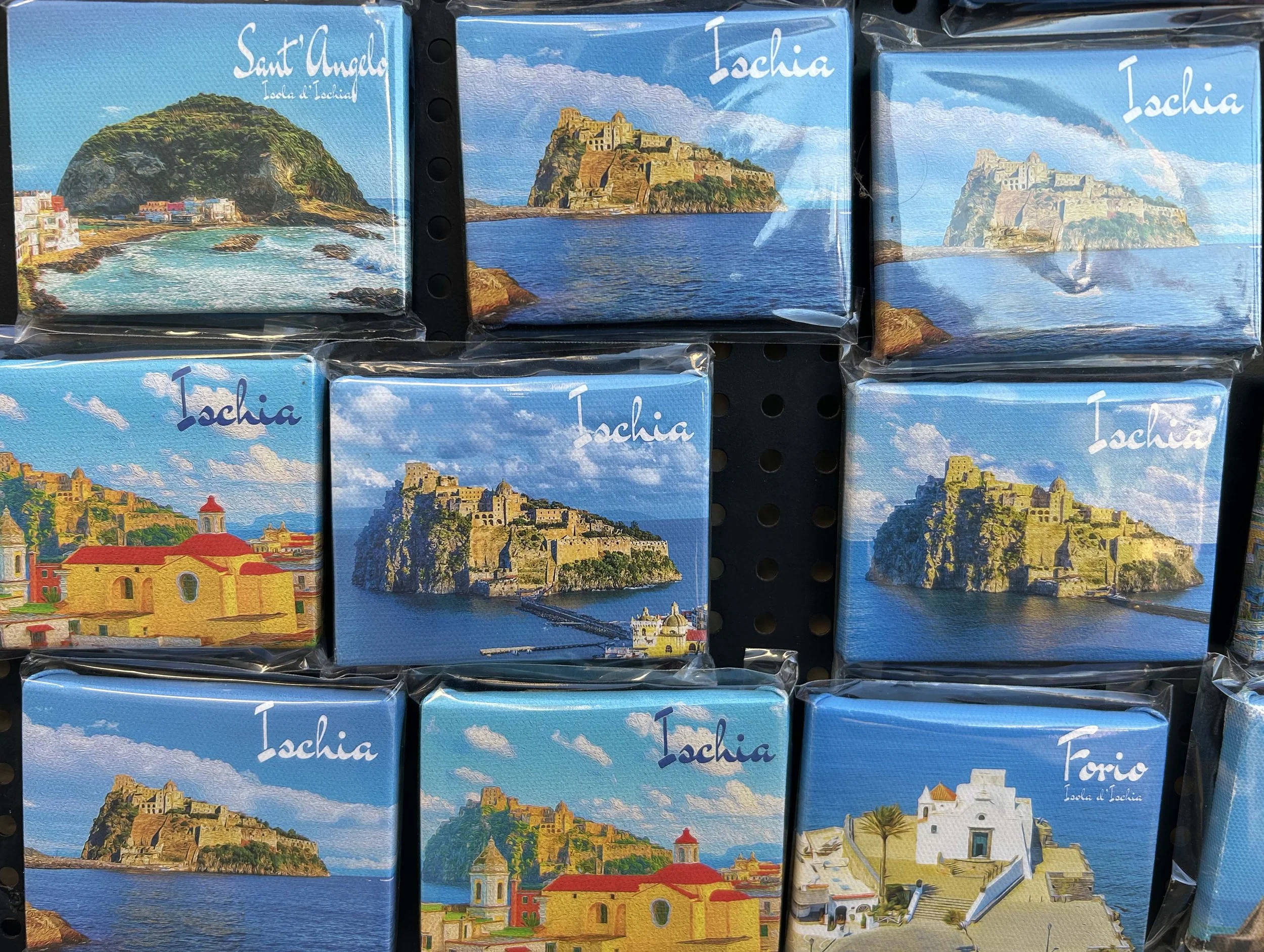
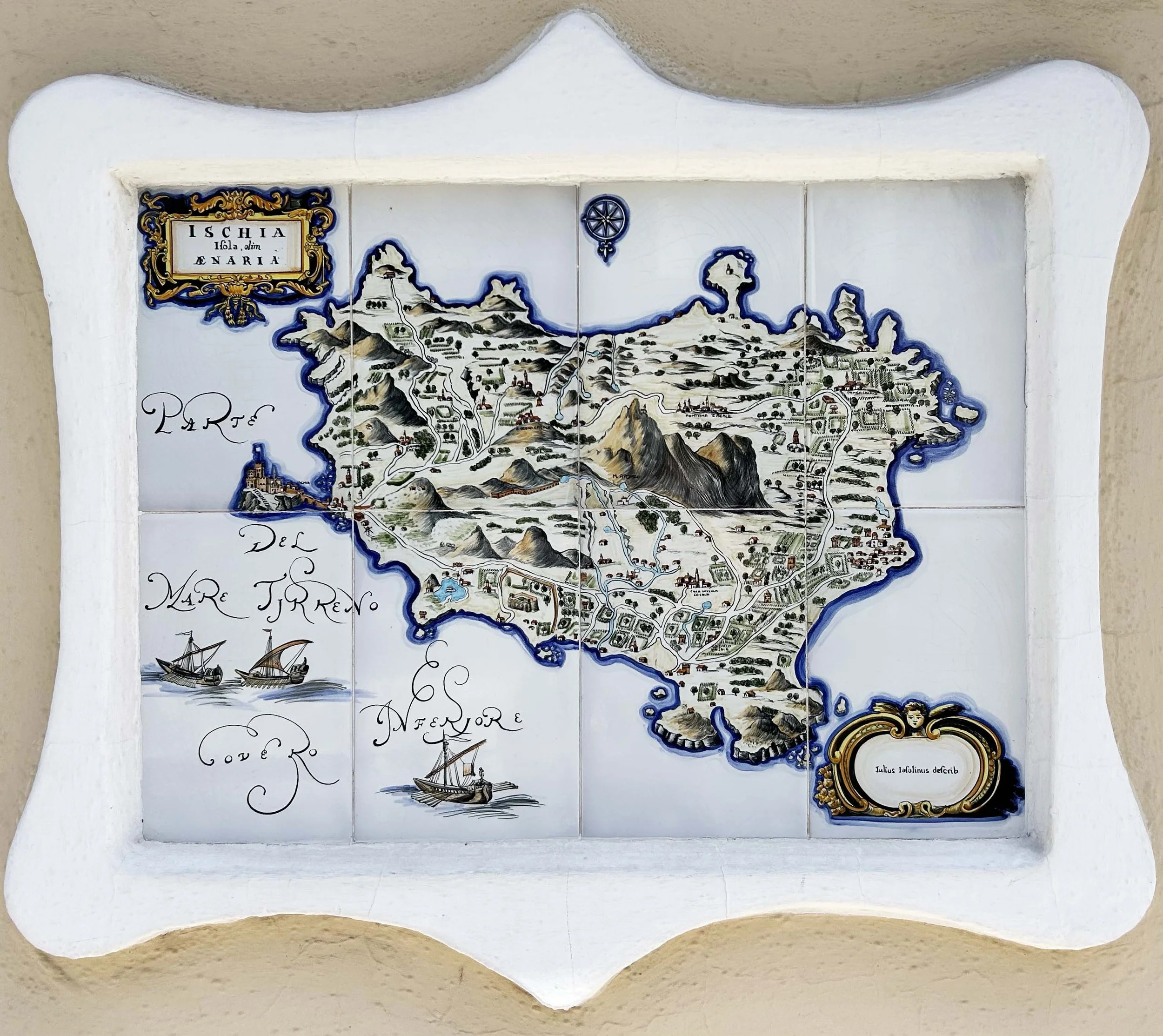
And so to Ischia. What a contrast. Colourful, vibrant, covered in flowers and shrubs with enticing scents. Sure, the scooters and cars whizzing around the streets are as noisy and chaotic as anywhere in Italy, but the island still carries a restrained air of grace, especially among the coastal villas of Ischia town. The interior is green and verdant while the harbours manage to successfully combine working ports and frequent ferries with pedestrian walkways lined with cheerful restaurants and bars. We had booked into the friendly marina in Casamiccioli for three nights so we could explore at leisure. Our e-bikes were an excellent form of transport around the hilly roads, and allowed us to visit both the Arogonese castle and La Mortella gardens.
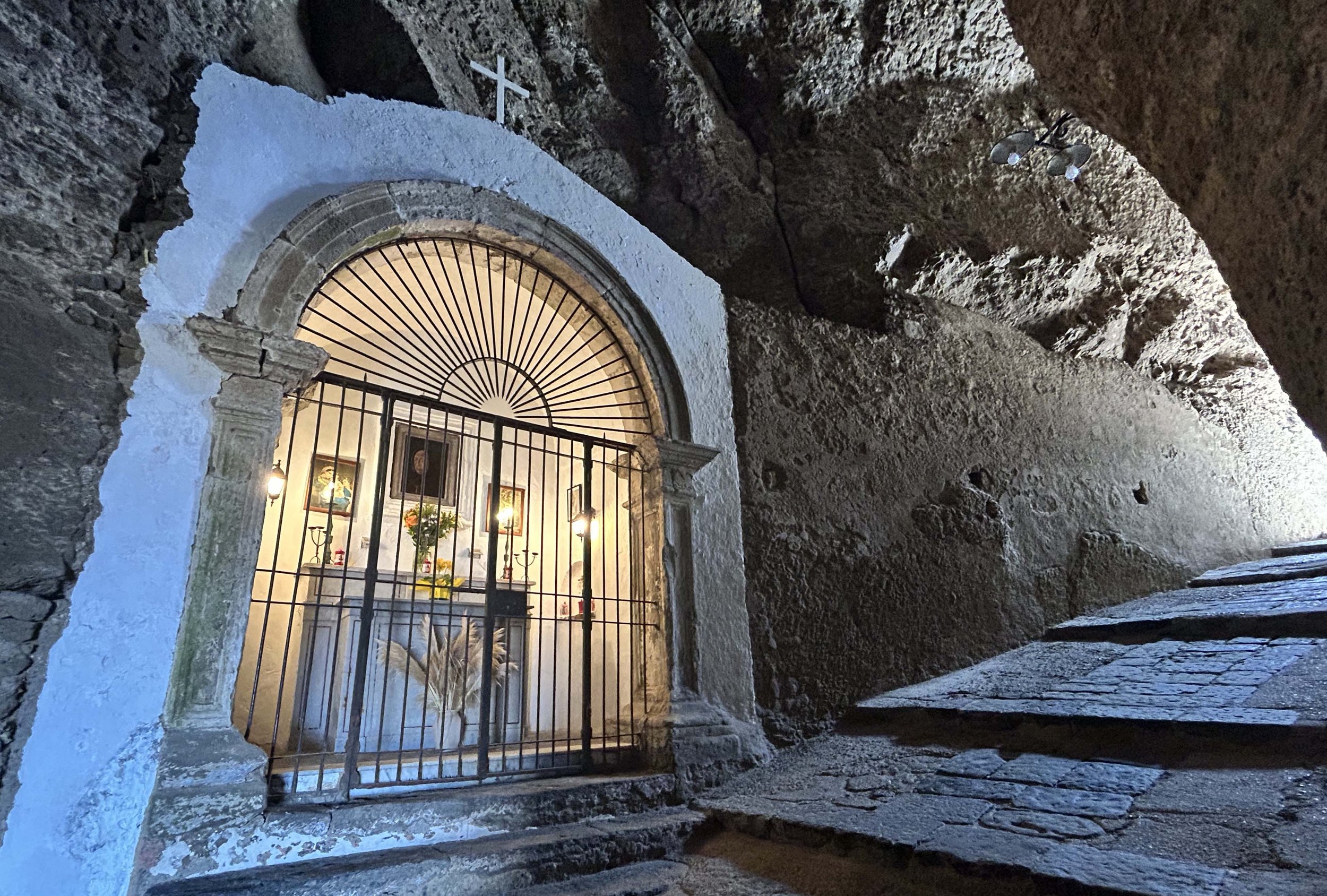
The Arogonese castle is amazing. It’s perched on a steep islet just off the main port and reached by causeway. From a distance it is dark, grey, and imposing, but it hides much more than a fortification inside. While Ischia was subject to long periods of contested ownership throughout the centuries, the islet developed into a self-contained town of several thousand residents, protected by the vertiginous, impregnable walls of the castle. It’s a maze of streets, rooms, houses, churches, monasteries, all on different but interconnected levels, built into as well as on the rocky outcrop. In an underground crypt are stone chairs, that look like medieval toilets but hide a rather darker past. The convent of Poor Clares nuns believed that natural mummification demonstrated the returning of one’s body to God, and the chairs were where this process happened, over several months, their bodies slowly decaying while the living nuns prayed around them. Quite macabre and the stench must have been horrific. But for the most part the castle is a sheer delight, courtyards filled with flowers and bright, airy rooms with spectacular views over the Bay. Privately owned for over a century, you can happily meander throughout it’s incredible architecture, finding respite at the very top in a wonderful terrace bar and restaurant with the best views over the entire Naples Bay from Mount Vesuvius to Capri.
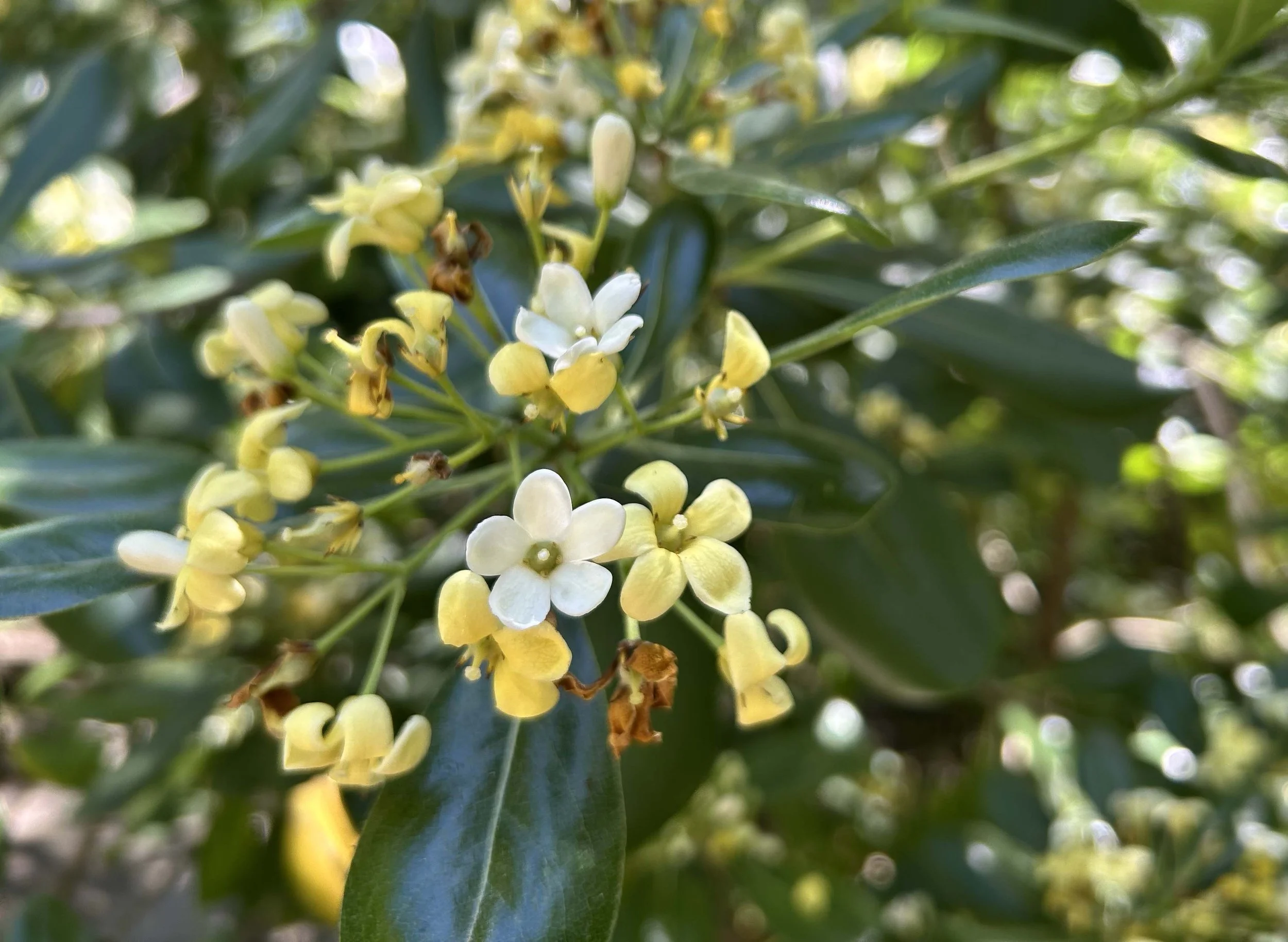
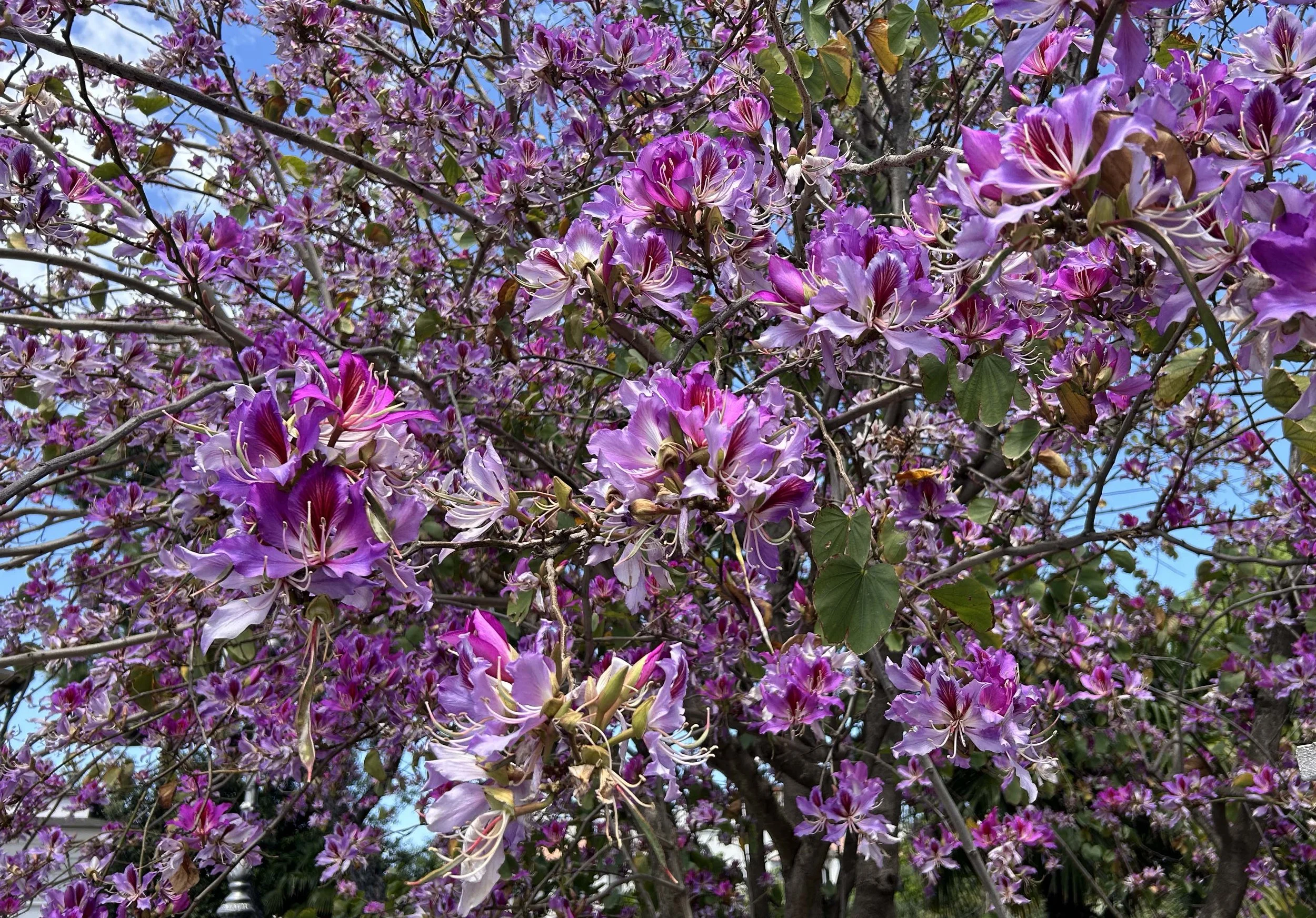
La Mortella is the botanic legacy of Sir William Walton, an English composer, and his Argentinian wife, Susanna. They cleverly and painstakingly transformed a barren, volcanic hillside into a lush garden with many diverse species from around the world. It was a true labour of love, the initial hard landscaping just to create the garden’s form taking over seven years before a single plant was put into its soil. Today it showcases a huge array of unusual trees, shrubs and flowers in a riot of colour, set above the town of Fiori with a vista over the west coast of the island.
Upmarket San Angelo
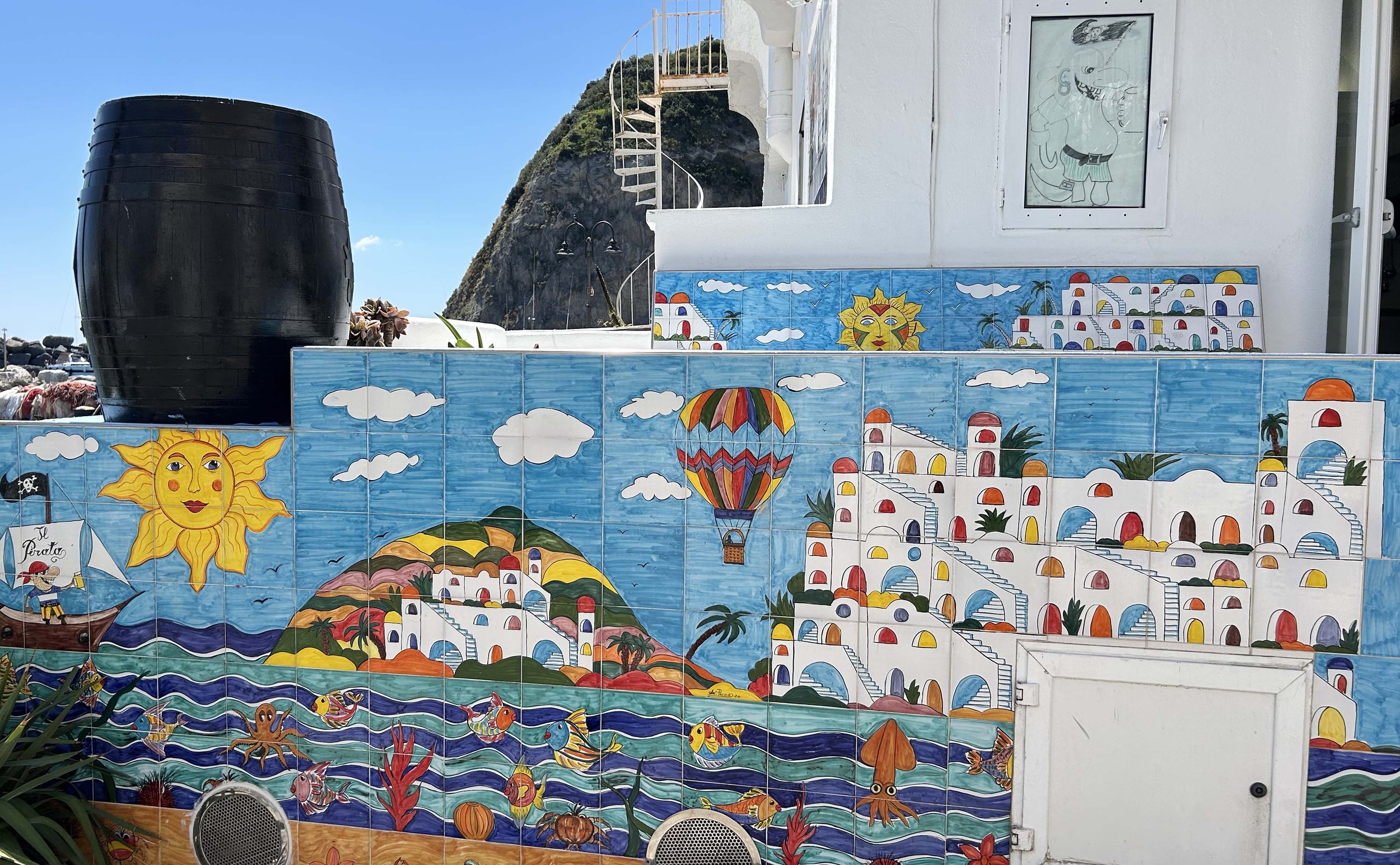
After three days in Casamicciola we moved round the south of the island. Winds were generally light but we managed a decent sail down the west coast past Fiori, anchoring in a wide sandy bay to the east of Sant Angelo and it’s prominent headland. Open to the south and east, the bay offered good protection from the westerly and northerly winds we had for the next two days, but there was a bafflingly persistent swell from the south for the duration. Bothersome rather than dangerous, but just a tad tiring after a while. The small hamlet of Sant Angelo is a delight, albeit an upmarket one with enticing boutiques, the general routine seeming to be chic ladies perusing their wares while their gentlemen availed themselves of a refreshing beer in a water-side bar. Elegant restaurants perched on the cliffs served fresh fish and seafood; we had an especially memorable meal in Casa Celestino, the highlight being impeccably prepared mussels smoked over local herbs complemented by a tasty Ischian wine
From here we head away from the islands into the Bay of Naples itself and our adventures there will unfold in our next update. Skylark is in good shape; we have tested all her systems and sailed under all sail plans with just the two of us as we settled back into boat-life. Several minor jobs have been ticked off, leaving the oil and filter changes on the engine and generator for when we are next alongside.